


December 18th, 2025
The Weight of Water
Multi-day sea kayaking trips can often feel like a journey of discovery, both into ourselves and the world around us. On day one, the jumbled thoughts and obligations of real life can still linger but as the days go on, they slowly start to fade. This process continues to unfold as the days come, with sea kayaking engaging our mind and body simultaneously.
These experiences spent on water can be filled with adventurous moments that build resilience or fill you with awe, while also being a way to tap into a deeper sense of presence. By the end of the trip, this practice can leave us feeling more restored, both mentally and physically, than when we arrived.
Mental Benefits of Paddling: How can sea kayaking can encourage mindfulness?
Setting off from a rocky shoreline, you watch your kayak bow silently glide through the cold, dark waters of the North Pacific with nothing but rhythmic paddle strokes propelling you forward.
Just you, your kayak and the ocean expanding in every direction, everything else goes quiet.
Blue Environments
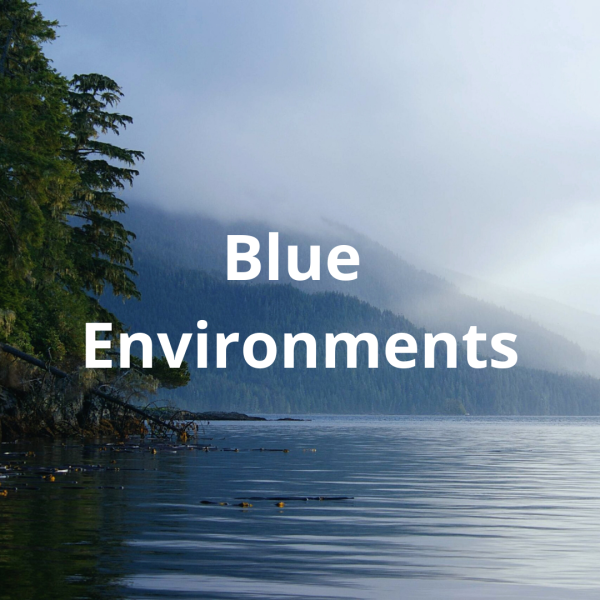
When we increase our time in ‘blue environments’ (marine or fresh water areas of the world), we tend to be calmer and healthier.
Beyond just being enjoyable, studies have shown that spending time on or near water has lasting effects physiologically such as lower blood pressure and heart rate, reduced cortisol levels and lessened psychological stress.

THe FLoW State
Sea kayaking has a way of encouraging you to be present. Whether it’s focusing on navigating your way through the rocky intertidal zone, hearing gentle droplets of water off your paddle or hopeful eyes fixed on the horizon in search of a distant blow, the act of paddling is consistent throughout.
This repetitive act is a form of meditation, also known as the ‘flow state’, that quiets the mind and focuses your attention.
What is the Flow state?
Described as “an effortless and enjoyable state of feeling deeply in control and fully immersed in an act”, the flow state combines elements of:
- A balance of challenge and skill → occurs when perceived challenges feel balanced with your perceived skills.
- Merging of action and awareness → a feeling of oneness with the activity you are engaging in.
- Total concentration with no distraction → being fully present in the experience.
- Transcendence of time → often feels like time has slowed down, with increased awareness of details.
- Loss of self-consciousness → uncertain thoughts about oneself are absent during the activity.
Having the chance to enter a flow state has been linked to individuals experiencing lasting positive emotions and a sense of clarity, along with feelings of fulfillment.
Enhanced Mindfulness
One of the key ways mindfulness can be enhanced is through observation: noticing what we are feeling, sensing and experiencing. By engaging in the fascinating natural world around us, our attention softens and the tendency for our minds to wander is reduced. This unique combination allows us to remain in the moment and prevents feelings of overwhelm.
When immersed in a wilderness environment where we can press pause and be truly present, these mindful moments can have lasting impacts.
Physical benefits of paddling: What does sea kayaking do for our bodies?
Sea kayaking is an excellent low-impact activity that can be suitable for a variety of individuals and abilities. Frequent paddling can build endurance, improve cardiovascular health and support overall health and fitness goals.
full body awareness
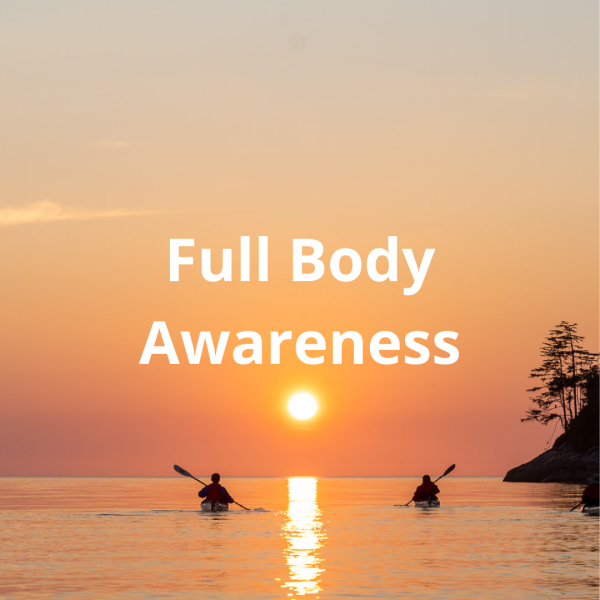
We all know the feeling of getting into a kayak for the first time. Our legs are in an unfamiliar position, the boat feels tippy and we feel anything but graceful. Known to help tone overall muscle groups that make everyday movements easier, sea kayaking can be a helpful way to increase mobility and coordination.
Despite contrary beliefs of kayaking being an upper body-focused activity, it can actually be a full-body work out as well.
healthy hearts
As we paddle, our heart rate increases—and as we engage in consistent movement and exertion— oxygen-rich blood is moved more readily throughout the body. This sustained moderate increase can strengthen your heart over time!
Sea kayaking combines a perfect mixture of aerobic and resistant exercise, which can also help reduce the risk of cardiovascular disease and improve circulation.
A life of outdoor adventures
There are countless ways to reap the benefits of paddling; it is really up to how we feel in the moment. A life full of outdoor adventures, no matter what those may be, can teach us to be stronger, braver, and more resilient via three separate pathways:
- Restoration → restoring previous capacities.
- Instoration → building new capacities.
- Mitigation → reducing harm.
Spending stretches of time moving along intricate coastlines with intention and excitement can allow paddlers to tap into a stronger sense of place, both on the water and within themselves.
want to follow the call?
Discover the power of nature with our new Wellness in the Wilderness tour, thoughtfully crafted to meet you wherever you are at in your journey. No one-size-fits-all approach, just a restorative ebb and flow of presence and movement along the shores of Johnstone Strait.
Featuring gentle mindfulness practices woven throughout the experience, this offering still has all the adventurous kayaking moments you could hope for while holding space to explore a deeper sense of presence, optional yoga sessions (no experience needed!), and a lasting connection to the wild.
To put it simply, go get out into the blue! Your adventure is waiting for you.