
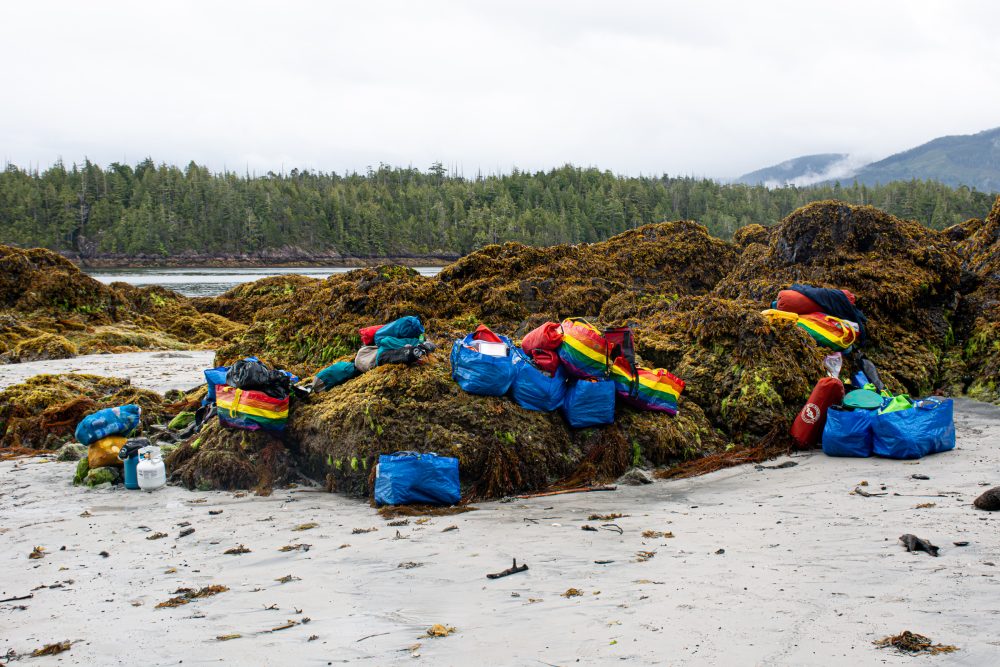
New to expedition sea kayaking? We’ve created this guide to provide you a more thorough list to help you prepare for your upcoming trip.
We want you to feel excited and confident, and that starts with making sure you’ve packed all the right gear for your expedition.

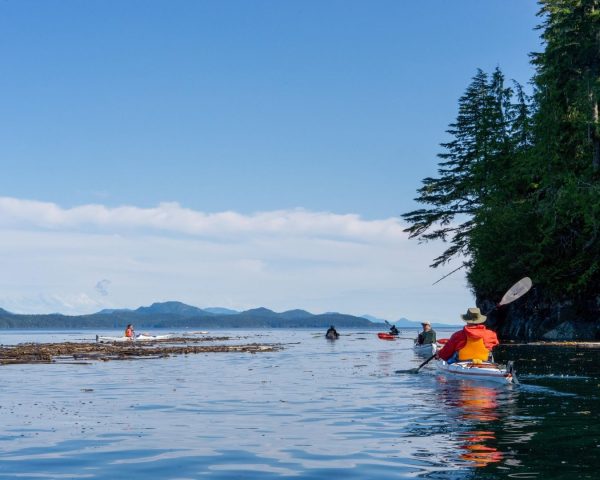
Image: Andrea Verity

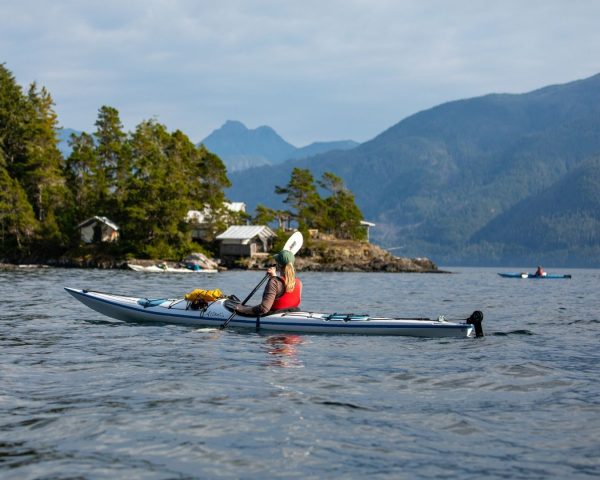
Image: Calum McLean
Paddling Clothing
When you’re kayaking, comfort and warmth are key. Most kayakers will opt to have 1-2 designated paddling outfits for the duration of the tour.
Here’s what you’ll want to wear on the water:
Quick-dry clothing
Why? You’ll likely get wet, so you want clothing that is more likely to dry quickly. Avoid cotton because it holds moisture and can make you feel more cold. We recommend wearing the same paddling outfit most days, even if it’s wet. In the areas where we paddle, the air is very moist so it’s unlikely your clothes will ever dry fully (we know— welcome to the PNW!).
WHAT TO PACK:
- Long-sleeved synthetic shirt (light weight and breathable).
- Quick-dry pants or athletic shorts (option to wear long johns or leggings underneath for cooler days, or if you run cold).
- Long-sleeved fleece (packed into your ‘lap bag’ or dry bag that will be in your cockpit for quick access).
Rain gear
Why? Even if the weather looks clear, it’s always good to be prepared for sudden rain. A lightweight rain jacket and pants will keep you dry and warm. Pro-tip: test your waterproof gear before the trip. You can do this by putting on your gear and standing in the shower. Immersion gear (like wetsuits and dry suits) are not necessary for our trips as we don’t anticipate being in the water. If you feel more comfortable wearing immersion gear, please be prepared to paddle for 4-6 hours in it.
What To Pack:
- Rain jacket and pants (ideally waterproof, not just water-resistant).
Water shoes
Why? You’ll be in and out of the kayak and your feet will get wet, so having shoes that can get wet and provide some support is essential. Have larger feet? Folks with size 12+ feet should focus on lightweight, low-profile water friendly shoes that fit snugly.
What To Pack:
- Waterproof sandals or sturdy water shoes (think of something like Crocs, waterproof hiking sandals or gumboots).
- Neoprene socks are a great addition to help keep your feet warm (our water is cold!).
- NO flip flops please (no support or protection from sharp hazards like barnacles and they fall off easily).
SOCKS (wool or synthetic)
Why? Wet feet can lead to discomfort and even blisters. Wool or synthetic socks will be more likely to keep your feet warm, even when wet. Most of the time your socks will be for the end of the day in your shoes or boots around camp.
Neoprene socks and sandals will help keep your feet warm and comfortable while paddling but aren’t required.
What To Pack:
- 3-5 pairs of wool or synthetic socks (avoid cotton socks).
Hat & sunglasses
Why? Protection from the sun is important while on the water, especially with the reflective glare.
What To Pack:
- Sun hat (that will stay put in windy conditions) and can also keep rain off your face if there are any wet days.
- Ideally polarized sunglasses, with a strap to keep them secure.
Optional paddling items
Why? Sometimes the little extras can help make a trip extraordinary.
options to Pack:
- Lightweight, thin paddling gloves: can help with comfort, grip and warmth (avoid bulky styles that will hinder dexterity).
- Pogies: hand coverings that attach directly to the paddle to keep hands warm and protected from sun exposure.
- Neoprene socks/booties: can be worn alone or over wool socks for extra warmth, these will keep your feet warm even when wet. (Please note, these work by trapping a layer of water which then gets warmed from your body heat so your feet will be wet. It’s important to have another set of dry footwear for camp to let your feet dry out).
- Buff: can be used to limit sun exposure or for an extra warm layer.
- 1-2 Carabiners: these are helpful to attach items like your water bottle to your kayak deck bungees or camera/phone to your PFD.
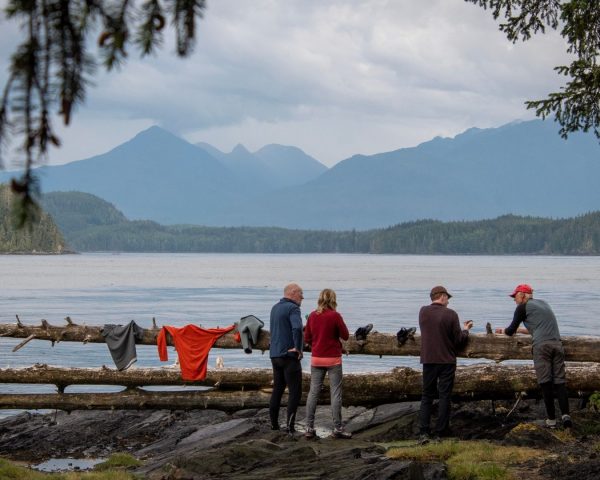
Image: Brendan Kowtecky

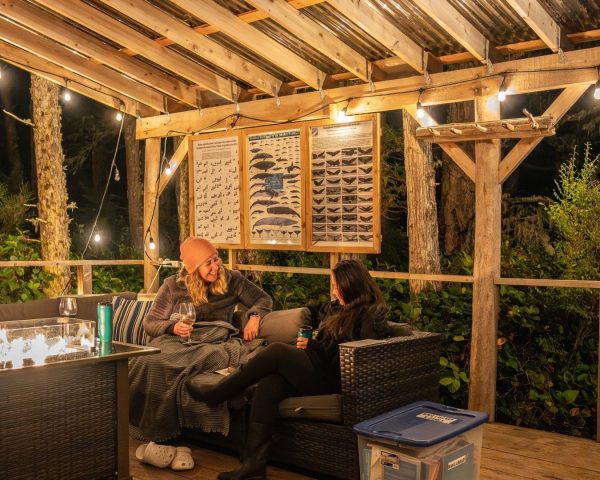
Image: 360 Immersion
Clothing for camp
Once you’re on land, you’ll need extra clothing to stay warm and comfortable at camp. Remember to bring warmer clothes than you anticipate; temperatures on the BC coast even in the summer can be chilly even in the middle of summer.
Camp clothes (warm & dry)
Why? You want to be warm and dry at camp, especially in the evening or morning when it might be cooler.
What To Pack:
- Lightweight long sleeve shirt or hooded sun shirt.
- Comfortable pants or yoga pants/leggings.
- 1-2 T-shirts.
Extra warm layers
Why? Even in warm weather, temperatures can drop at night. Having extra layers will allow you to remain cozy no matter the weather!
What To Pack:
- Base layers: a pair of long johns or leggings and a long sleeve shirt for added warmth.
- Toque or beanie: a warm hat can make a huge difference for overall body temperature (great for cool mornings and evenings).
- Down or synthetic jacket: for additional warmth off the water. Down is warm, lightweight and packs down small, making it great for travel; you do need to keep it dry, so it’s best to reserve it for around camp after you’re done paddling for the day.
Extra socks & underwear
Why? It’s good to have extra essentials for hygiene and comfort, especially if you’re staying out for multiple days.
What To Pack:
- 3-4 pairs of socks: wool or synthetic. Keep one pair as your sacred set, only to be used to keep warm in your tent overnight.
- 4-6+ pairs of underwear: mix of cotton and synthetic. Synthetics are great for paddling in, as if your bum gets wet they are more comfortable, while cotton of course for breathability once you reach camp.
camp shoes
Why? After a day of paddling, you’ll want a pair of supportive, comfortable and dry shoes for walking around camp.
What To Pack:
- Sturdy shoes like lightweight hiking boots, gumboots or running shoes. It’s important to have some support as the ground may be uneven or rocky.

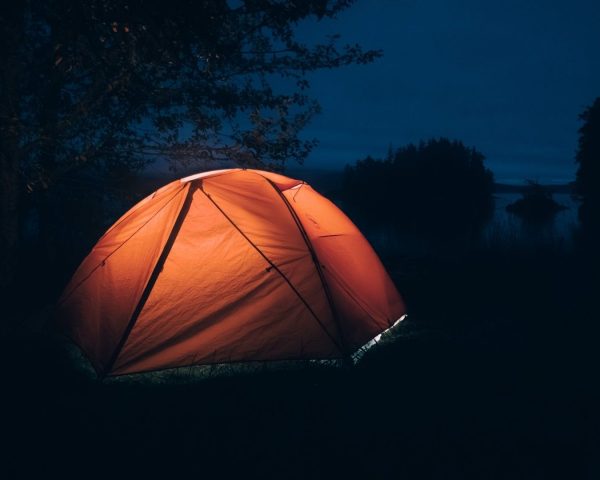
Image: Robin Hopfner

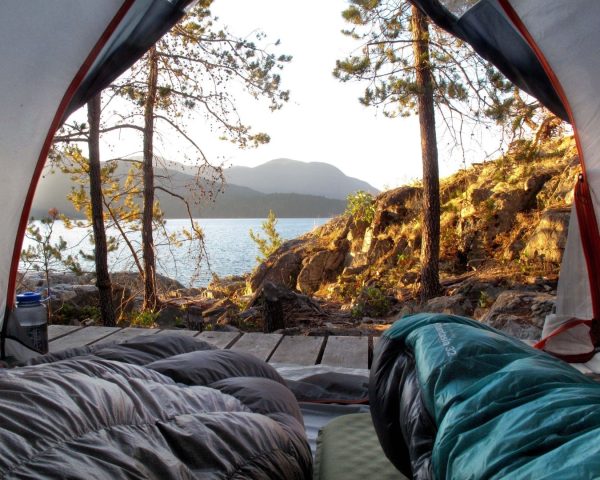
Image: Bex Dawkes
TOUR essentials
These items are essential for comfort, hygiene and safety.
Sleeping bag
Why? A good sleeping bag will keep you nice and cozy warm at night. A 3-season sleeping bag that can handle most temperature ranges is ideal. A sleeping bag liner can also be a helpful addition if you are a cold sleeper.
What To Pack:
- Sleeping bag: synthetic or down, packed in a waterproof or garbage bag-lined stuff-sack to save space.
- Optional: sleeping bag liner.
Headlamp & spare batteries
Why? It gets dark at night, and you’ll need a reliable light source for navigating camp. As opposed to a handheld flashlight or your phone, having a headlamp allows you to keep your hands free for other tasks as needed.
What To Pack:
- Headlamp: with extra batteries or rechargeable.
Toiletries
Why? You’ll want to stay clean and fresh, especially while on a camping trip. Please opt for ecofriendly, biodegradable products.
What To Pack:
- Toothbrush & toothpaste.
- Biodegradable soap: for washing hands and body (ideally works well in saltwater too).
- Quick-dry towel or face cloth.
- Baby wipes: nice for keeping your sweaty parts feeling fresh when a shower is not an option.
- Hand sanitizer: no explanation needed.
Sunscreen & bug spray
Why? Protect yourself from the sun and bugs while you’re out on the water and for around camp.
What To Pack:
- Sunscreen: reef safe or eco-friendly (especially if you plan to swim).
- Bug spray: ideally eco-friendly.
Water bottle
Why? Staying hydrated is crucial, especially when spending long hours on the water.
What To Pack:
- Water bottle: ideally a large, reusable one that can be secured to your kayak using a carabiner, clip or loop.
- We also supply you with a reusable travel mug, but this is best used for hot beverages.
Ziplocs & Garbage Bags
Why? Handy for keeping miscellaneous personal items dry.
What To Pack:
- A few L-XL ziplocs: for toiletries, waterproofing or small garbage items.
- Garbage bags: for waterproofing items like sleeping bags or sleeping pads.

Image: Alex Mowatt

Image: Dave Gillespie
optional items
Some items may not be necessary, but if you have the room, they can make your trip even more enjoyable.
Camera & binoculars
Why? If you love nature, you might want to capture some memorable moments or get a closer look at wildlife.
What To Pack:
- Camera: or your cell phone (just make sure you have a waterproof case or secure neck strap!). If you are coming on an expedition, please bring extra camera batteries. For all of our basecamp guests, you will have access to electricity for charging.
- Binoculars: packable and waterproof with a secure neck strap is most ideal.
rechargeable Battery bank
Why? Reliable charging source for your electronics in case of emergency or for photos when there is no access to electricity.
What To Pack:
- Portable battery bank: please keep in a secure waterproof bag
Book or small game
Why? After an exciting day on the water, you may want a simple activity to wind down with.
What To Pack:
- Books, cards or a small game: if staring at the ocean or bird watching aren’t quite enough! Your guides also carry a small library of books about the area and its wildlife for you to enjoy.
Fishing gear & license
Why? If you plan to fish, you’ll need the right gear and appropriate fishing license. Please purchase your license ahead of your tour and keep a physical copy with you. Your guides can assist you in discussing best areas/time to fish.*
*Please note: There may be some campsites/areas where you are unable to fish as they are within conservation zones. Please ask your guide before casting.
What To Pack:
- Fishing rod, reel, lures and/or flies (please avoid live bait as it is a wildlife attractant).
- Appropriate fishing license for the area we are paddling in.

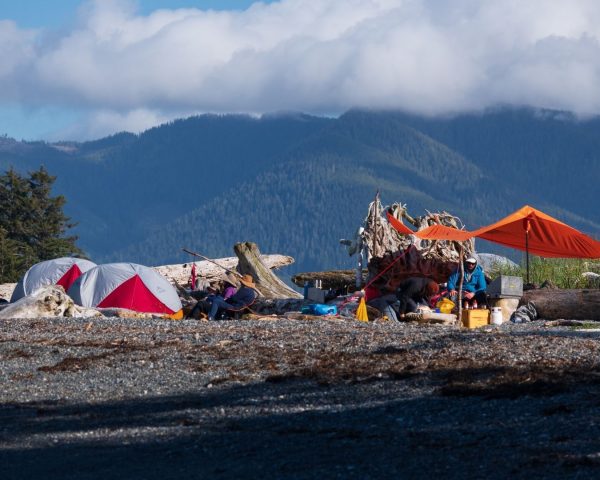
Image: Alex Mowatt

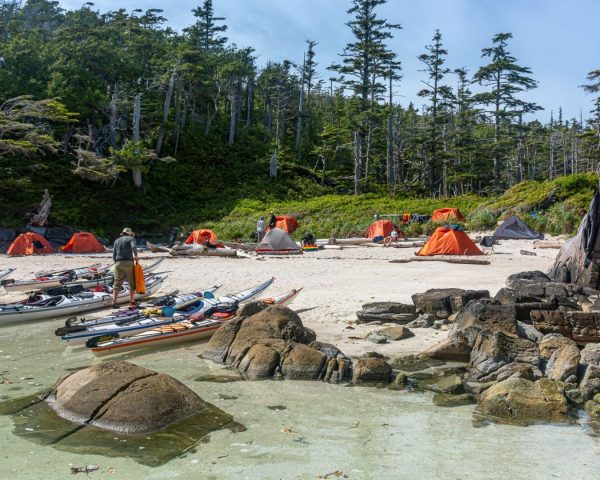
Image: Dave Gillespie
camping gear
Your friendly guide team will provide you with the following equipment.
Tent
- Tents are generally based on double occupancy, so we will provide a spacious 3-person tent for each pair.
- If you are a solo traveller, you will receive your own 2-person tent for yourself.
Sleeping pad
- A good night’s sleep begins with a comfortable sleeping pad! We provide Thermarest-style self-inflating sleeping pads to all of our guests.
- If you prefer to use your own sleeping pad, you are more than welcome to bring it if it packs down well and you have a way to waterproof it. Please let us know ahead of time if you plan to use your personal sleeping pad.
- Please note: traditional sleeping pads that lack insulation can feel very cold. If you prefer to bring your own, please ensure it has an insulated layer built in.
inflatable pillow
- We provide an inflatable camping pillow with a covering that gets washed in between trips.
Camp chair
- Each guest will get a compact Big Agnes camp chair to use while on tour.
Travel mug
- Great for keeping hot beverages warm for long periods.
- Please bring your own personal bottle for drinking water as well.

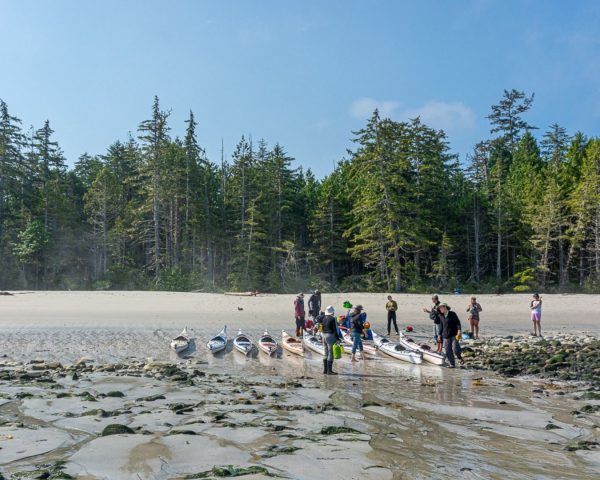
Image: Dave Gillespie

Image: Margaret McQuinston
Paddling Equipment
Kayaks
- Single or double: preferences can be listed on your medical and personal information form.
- Please be prepared to take at least a half-days turn in your non-preferred kayak depending on the needs of the group.
- We always bring a minimum of 1-2 double kayaks on each tour, as they are essential for safety and storage purposes.
- We strive to have a variety of style/shape kayaks on each tour: your guides can assist you in finding the best option suited for your height, abilities, and the conditions we are expecting for the day.
- Our fleet is currently comprised of Atlantis, Nimbus, Seaward, and Current Designs kayaks.
Paddles
- Our paddles are all 220cm and are either Nimbus Kiska or Werner Baja models.
- These paddles all have a mechanism in the centre of the shaft to adjust paddle blade angle for feathering, if you wish.
pfd (lifejacket)
- We primarily have Stohlquist Spectrum PFDs, each equipped with a whistle.
- Guests are welcome to bring their own PFD if desired. If your PFD is inflatable, it must be hydrostatic; meaning it will auto-inflate when it comes in contact with water.
- All PFD’s must be equipped with a whistle as required by Transport Canada.
- If you do not have a whistle on your personal PFD, please let us know and we’d be happy to provide one to you.
Dry bags
- Your guides will provide you with three dry bags, typically 1 x 20L, and 2 x 10L.
- If you have more stuff, that’s okay! Items like shoes or toiletries can typically go in loose, or in ziplocs in your kayak hatches.
- Dry bags are primarily for your clothing, books, and things that cannot get wet; your camping gear does not need to go into any of these bags.
mini deck chart
- A small waterproof map (also known as a chart in the nautical world!) allows you to follow along as we travel along different shorelines throughout the tour.
- Yours to take home at the end of the trip!
bathroom etiquette
- You won’t find flushing toilets where our tours travel! Our toilets come with the best views around and are generally nestled in the forest for privacy.
- There are many outhouses throughout many of the regions we paddle in, or we carry a small portable toilet with us for when a campsite does not have one.
- Your guides are professionals including when it comes to making you feel comfortable in the wilderness. They will let the group know how the system works at each camp, but rest assured that you will have a private place and the time to take care of your business when nature calls.
- We will set up a portable handwashing station and supply hand sanitizer while on tour.
Want the specific packing list for your tour? Check out your Guest Handbook